
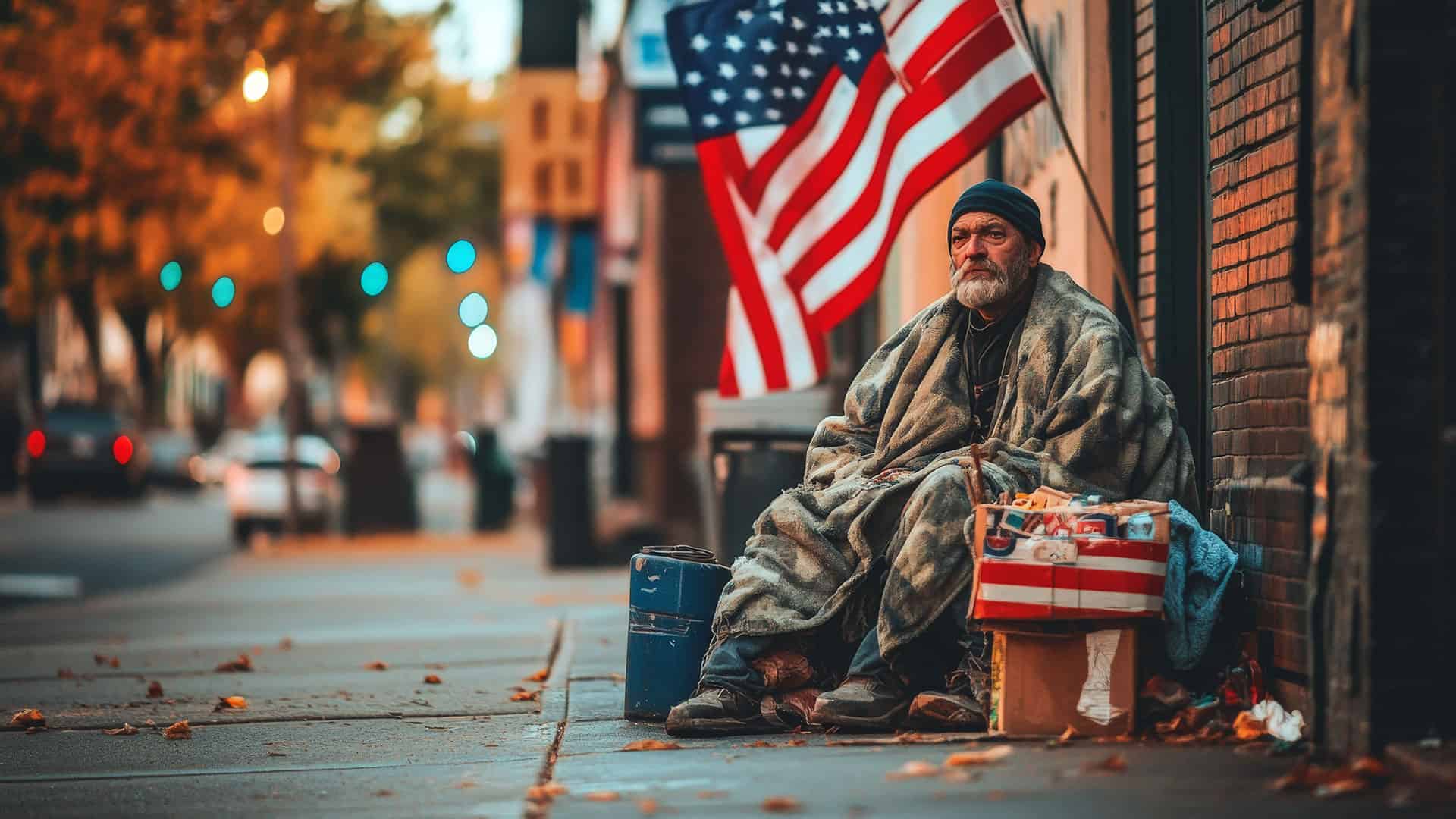
WASHINGTON — The Department of Veterans Affairs today announced a record-high $1.17 billion in grants to 680 organizations nationwide to help Veterans who are homeless or at risk of becoming homeless. The grants, which will be distributed in FY2027, follow VA’s housing of 51,936 homeless Veterans in fiscal year 2025, the most in seven years. This funding is part of the ongoing effort to address Veteran Homlessness and reduce the rising rates of Veteran Homlessness.
Addressing Veteran Homlessness Through Comprehensive Support
Addressing Veteran Homlessness is more critical than ever, as many communities experience challenges related to Veteran Homlessness. Initiatives must be executed with urgency to prevent further escalation of Veteran Homlessness.
By focusing on the issue of Veteran Homlessness, we can promote long-term solutions and foster a supportive environment that helps mitigate the problem of Veteran Homlessness.
These partnerships are crucial for successfully addressing the challenges of Veteran Homlessness and ensuring Veterans receive the necessary assistance.
In addition to the monetary support, these grants will facilitate outreach programs aimed at educating Veterans about the resources available to them. Many Veterans may not be aware of the assistance programs or may feel hesitant to seek help due to stigma. By increasing awareness, we can encourage more individuals to utilize these essential services. For instance, local community events will be organized to provide information on housing assistance, mental health services, and job placement programs.
It is imperative that we unite to combat Veteran Homlessness and recognize the importance of providing support to those affected by Veteran Homlessness.
Furthermore, the SSVF program will expand its focus on providing not just temporary solutions but also long-term strategies for sustainable living. This approach includes partnerships with local businesses to create job opportunities tailored specifically for Veterans. By bridging the gap between housing stability and employment, the program aims to empower Veterans to regain their independence. For example, job training workshops will equip Veterans with skills that align with market demands, thus enhancing their employability.
$855 million of the grants announced today will be awarded to eligible grantees through the agency’s Supportive Services for Veteran Families (SSVF) program. These are one-year grants that will begin on Oct. 1, 2026. The grantees will provide case management and supportive services to:
These initiatives are crucial in tackling the issue of Veteran Homlessness and ensuring that those who have served our country receive the support they need to overcome challenges. The funding not only aims to reduce numbers but also to change the narrative surrounding Veteran homelessness. With collaborative efforts from various sectors, including government, non-profits, and the private sector, a comprehensive approach is being formed to eradicate homelessness among Veterans. It is essential that the community recognizes the sacrifices made by Veterans and actively participates in supporting them as they transition to stable living conditions.
- Prevent the imminent loss of a home.
- Identify new, more suitable housing situations for Veterans and families.
- Rapidly re-house Veterans and their families who are homeless and might remain homeless without assistance.
By allocating resources effectively, we can significantly impact the crisis of Veteran Homlessness.
$318 million of the grants announced today will be awarded to eligible grantees through the agency’s Grant and Per Diem (GPD) program. These are three-year grants that will begin on Oct. 1, 2026 and are designed to:
- Fund transitional housing with supportive services or service centers.
- Support transition-in-place housing, where Veterans remain in their current housing unit while receiving services to help them move toward permanent, stable housing.
- Provide special housing designed to better serve women Veterans and those who are chronically mentally ill, frail, elderly, terminally ill, or are caring for minor dependents.
The GPD program also emphasizes the importance of mental health services, recognizing that many Veterans face challenges such as PTSD and depression. By integrating mental health support into housing initiatives, the program aims to address the root causes of homelessness. Housing units will be equipped with access to counseling services and peer support groups, creating a holistic environment for healing. For example, caseworkers will be trained to recognize signs of mental distress and connect Veterans to appropriate resources.
View the full list of awardees here.
“Under President Trump, VA is making historic progress getting our most vulnerable Veterans off the streets and back on the path to self-sufficiency,” said VA Secretary Doug Collins. “These grants underscore our commitment to expanding critical services that prevent Veteran homelessness, connecting those who have worn the uniform to permanent housing and providing the resources necessary for long‑term stability.”
The grants announced today are the latest in a long list of landmark VA achievements during the second Trump Administration. Since Jan. 20, 2025, VA has:
- Enrolled more than 250,000 new Veterans in VA healthcare in 2026.
- Opened 41 new VA healthcare facilities, expanding healthcare access for Veterans around the country.
- Reduced the backlog of Veterans waiting for VA benefits by more than 70%, after it increased 24% during the Biden Administration.
- Reduced the average disability claims processing time by 46%.
- Completed a record high 82,083,918 direct care appointments in fiscal year 2025, up 4.1% from FY 2024.
- Completed a record high 59,989,662 community care appointments in FY 2025, up 12% from FY 2024.
- Offered Veterans more than 3.2 million appointments outside of normal operating hours, giving Veterans more timely and convenient options for care.
- Launched a new Partial Claims Program to help Veterans with financial struggles avoid foreclosure. This is one of several ways VA helps Veterans keep their homes — in FY 2025 alone, VA worked with mortgage servicers to help 173,000 Veterans avoid foreclosure.
Moreover, the impact of these grants extends beyond immediate housing needs. They aim to foster community integration for Veterans. By working closely with local organizations, the VA seeks to create a sense of belonging among Veterans. Initiatives such as community service projects and mentorship programs will be implemented, allowing Veterans to engage with their communities and rebuild social connections. This sense of community is crucial for mental well-being and helps Veterans adjust to civilian life.
If you are a Veteran who is experiencing homelessness or at risk of homelessness, call the National Call Center for Homeless Veterans at 877-4AID-VET (877-424-3838). Visit the VA Homeless Programs website to learn about housing initiatives and other programs for Veterans exiting homelessness.
In conclusion, the efforts to combat Veteran Homlessness are multi-faceted and require the combined support of the entire nation. The commitment shown by the VA through these grants is a significant step forward in addressing Veteran Homlessness, but it is only part of a larger strategy needed to ensure that all Veterans have access to safe and reliable housing. As citizens, we must also play our part by advocating for policies that support affordable housing and providing support to local Veterans in need. Together, we can work towards a future where no Veteran is left without a home due to Veteran Homlessness.
Through these community initiatives, we aim to reduce instances of Veteran Homlessness and support Veterans in their transition to stable housing.
For anyone facing Veteran Homlessness, it is crucial to seek assistance from available resources.

Leave a Reply
You must be logged in to post a comment.